- ercu
- 0 Comments
HALLUX VALGUS SURGERY in ANTALYA TURKEY
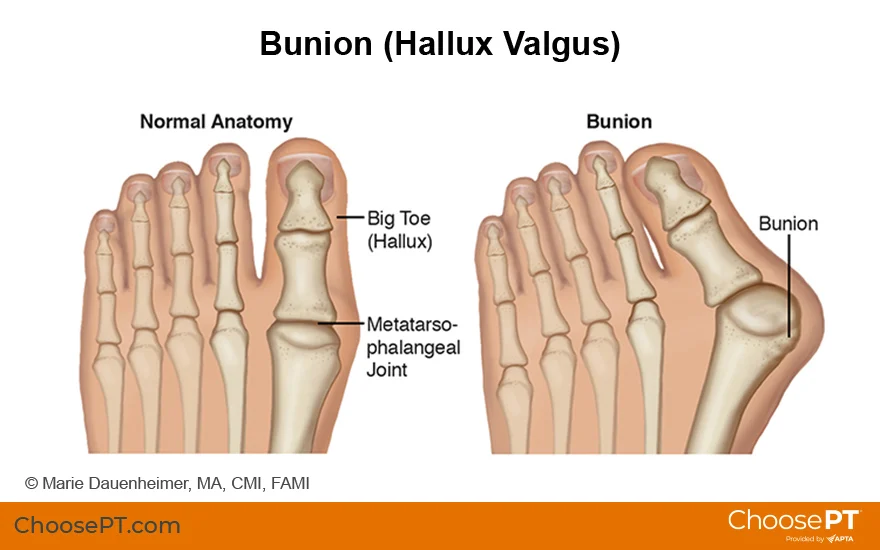
Bunion or hallux valgus is a foot deformity that occurs due to the bending of the big toe towards the other toes, causing the joint at the base of the big toe to protrude. In hallux valgus, the big toe tilts inward towards the other toes. This condition is more frequently observed in women, with genetic factors being the most important cause. In the early stages of bunion treatment, non-surgical methods such as physical therapy, various devices, and lifestyle changes are used, while more advanced bunions are treated surgically.
What Causes Hallux Valgus (Bunion)?
The most important cause of hallux valgus is genetic, meaning it is inherited in the family. Besides that, this condition is more common in people with flat feet; it is also more frequent among those with a suitable genetic background who wear very high-heeled and very narrow shoes. Additionally, standing for long periods is also among the factors that affect hallux valgus.
What Are the Symptoms of Hallux Valgus (Bunion)?
The most commonly expressed symptom by patients is the friction of the bump at the base of the big toe against the shoe, resulting in pain and swelling. As the friction occurs, the swelling increases, creating more friction in a vicious cycle.
With the increase of swelling and the bending of the toe, the patient’s complaints also increase. Due to the swelling, pain develops, and a large bump is formed over the bone called a “bunion”. On the other hand, the bending of the toe begins to disturb the mechanics of the foot. The corn that is supposed to form under the big toe instead forms under the second and third toes due to the lifting of the big toe. Due to the changed weight-bearing mechanics of the foot, as the foot tilts, the center of gravity begins to shift forward, and pain begins to occur in the middle of the foot during walking.
Initially, pain caused by the friction of the side of the big toe occurs before the disease progresses to a severe level. As the disease progresses, this pain starts to be felt in the middle of the foot as well. In more advanced stages of the disease, the big toe will go beneath the second toe. Consequently, as the big toe pushes the second toe upward, patients in advanced stages begin to develop corns on the second toe as well. Additionally, the top part of the second toe rubs against the shoe, forming a callus. If this friction is excessive, it can lead to an inflammation, though this is not very common.
The symptoms of a bunion can be listed as follows:
* Pain and irritation on the swelling next to the big toe while wearing shoes
* Inability to find suitable or comfortable shoes
* The big toe tilting towards the second toe
* Deformity of the other four toes
* Pain in the sole of the foot.
* Disruption in walking
How is Hallux Valgus (Bunion) Diagnosed?
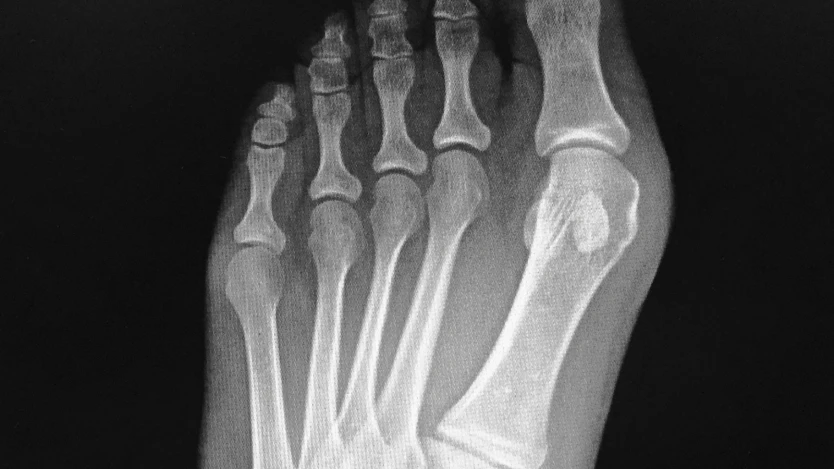
The physical examination conducted by our specialist orthopedist helps in diagnosing hallux valgus by observing the bending of the big toe towards the other toes, its pushing against them, and even going underneath them, the formation of the bone protrusion known as a bunion, and the detection of calluses on it; in other words, examining the appearance of the foot. Additionally, an X-ray is taken of the foot while weight is applied, or MRI or X-ray films are requested from our patients abroad. With this X-ray film, the necessary angle measurements are made, and treatments are shaped according to these angles.

How is Hallux Valgus (Bunion) Treated in Antalya Turkey ?
The treatment of this condition depends on the deformity of the patient’s foot. If there are mild symptoms at the initial stage, exercises, lifestyle changes, and silicone devices are recommended. However, if the deformity has reached a certain level, the treatment to be performed is surgical. Please contact us with whatsapp
How does the recovery process progress after Hallux Valgus surgery?
Patients may stay in the hospital for one night after the bone correction surgery or may be discharged on the same day. After the surgery, patients’ feet are wrapped in bandages and special slippers are provided. Patients may experience some swelling in their feet for 3-6 months. Patients coming from abroad can return to their countries on the 6th day after the surgery. Starting from the third week after surgery, patients can step more healthily on their feet, they can wear normal shoes starting from the first month, and after 1.5 months, they can resume their normal walking.
How is Hallux Valgus surgery performed in Antalya, Turkey?
This surgery is performed using the latest technology devices with small incisions made on the foot, aided by micro cameras. Bone cuts are made to correct the shape of the foot in order to achieve the proper angle of 11 degrees that should exist between the two bones. Our surgeon performing the procedure is an experienced specialist orthopedic surgeon. if you want look other surgeries before after click here.
What is the cost of Hallux Valgus surgery in Antalya, Turkey?
The cost of this orthopedic surgery will be communicated to you based on the X-ray or MRI results you send. If you do not have any X-ray images, please contact us with photos of your feet. We will get back to you as soon as possible regarding the treatment package price. We have a treatment package that includes transfer and accommodation for our patients coming from abroad.
Planning Your Trip to Antalya?
Since you’re already considering foot surgery in Antalya, this is also the perfect opportunity to address other health or aesthetic goals in the same trip. Many of our international patients combine their treatment with dental implants or plastic surgery procedures, making the most of their time and travel. Contact our patient coordinators to build a combined treatment plan.